Episode Transcript
[00:00:04] Speaker A: The Right Mind is a podcast hosted by the Creative Writing Department at Austin Community College, featuring discussions about craft, creativity and what it means to be a writer.
The views, thoughts and opinions expressed are the speaker's own and do not represent the views, thoughts and opinions of Austin Community College. The material and information presented here is for general information purposes only. The Austin Community College name and all forms and abbreviations are the property of its owner and its use does not imply endorsement of or opposition to any specific organization, product or service.
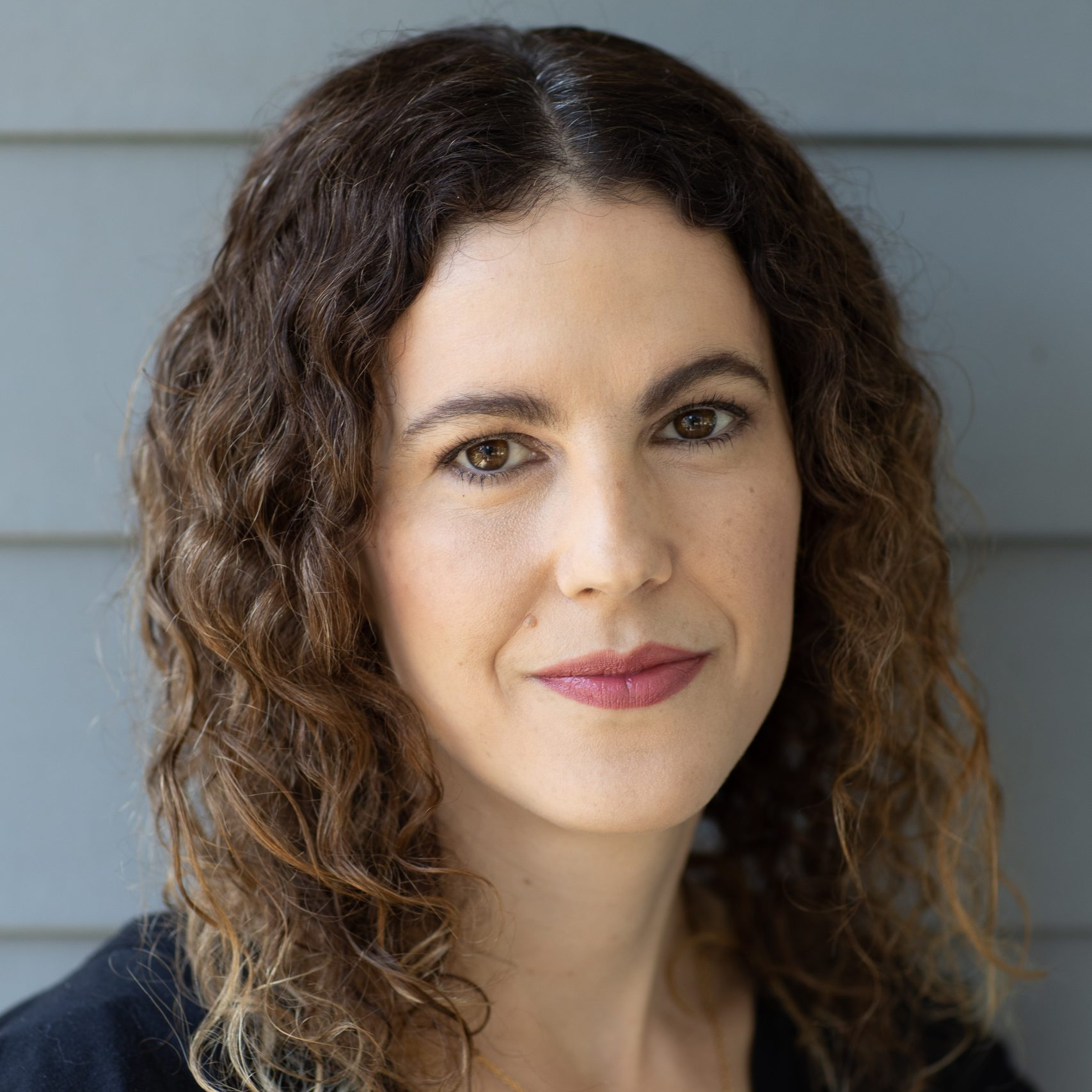
Hi, this is Professor Eli Reiter and welcome to the Right Mind. For this episode we were joined in class and online by Lauren D. Woods, a writer whose collection the Great Grown Up Game of Make Believe is tearing up the awards circuit. We were very fortunate to have her. Lauren talks to us about evolving definitions of success, writing groups and community, her own writing habits and rituals, and how to talk about the hard things through fiction. Please enjoy this episode with Lauren D. Woods.
[00:01:07] Speaker B: So welcome to this edition of the Right Mind. We are very fortunate to be joined by Lauren D. Woods. I've got a bio for you here. Lauren D. Woods, originally from the Dallas area.
You got out?
[00:01:21] Speaker C: I wish I was back, but that's another topic.
[00:01:24] Speaker B: Originally from the Dallas area, now lives and writes in Washington, D.C. where she was a 202425 D.C. commission on the Arts and Humanities Fellow. Her writing has appeared as a spotlighted story in Best Small Fictions, as well as the Antioch Review, the Normal School, Passages north, and Southern Humanities Review, among others. Please welcome Lauren D. Woods.
[00:01:46] Speaker D: Thank you.
[00:01:51] Speaker B: And we've got a welcome from online too.
Everybody's jumping in. Good.
So as we go, our online visitors, if you would be so kind to throw questions into the chat for our conversation later, I would love that.
And let's get cracking. So Lauren, I'm really glad you're here.
And we are here in a creative writing classroom and I think the first question we want to get into for everybody is your writing background. What drew you to writing? When did you decide to make it more than a hobby?
[00:02:22] Speaker C: Yeah, I think like a lot of folks, maybe some people here, I was writing adjacent for a really long time. I was a really close reader and you know, in school I was friends with people who worked on the literary journal and I read all the things that I love to be beside them that I would never because I think I had built it up in my mind as a writer, you know, and it's all encompassing and you know, it's something that feels very difficult and overwhelming. And so I think it took Me a long time.
I had a whole separate kind of career, but was writing on the side off and on before I really took it seriously.
So I think I started, I started writing a little bit when I was living in New York after college because I didn't know anyone there. I wanted to introduce me to someone who was in writing and I thought, great, great.
That's how I met my friends in that way. And I think also, you know, you know, it kind of played in the back of my mind that there were fiction writers that I sort of fell. Fell in love with influences later, you know. You know, back in the days when I was an undergrad in Texas, short, short story writers like Grace Haley and Alice and some of the big ones, Stephen Melhauser, Michael Cunningham, all these people who are swirling around, you know, kind of long before I thought about writing.
So I think being in a writing group and just having fun with it on the side was certainly a big influence. I've been in writing almost 20 years now, and then, you know, kind of having that accountability and producing the work and then, you know, just having a lot of projects over time.
You know, I never quit work to become a writer. You know, it was always something that I saw as something that, you know, is not going to pay the bills, but is going to be something that's, you know, very rich and fulfilling. And I think, you know, a generation ago or two generations ago, that certainly wasn't the case. There were people who were writers and there are today, but I think it's increasingly rare. I mean, I, I know a lot of professional writers with wonderful books in the D.C. area where I live, and all of them have full time jobs and do other things as well. Some of them teach, some of them. You know, I do consulting, but I think I kind of expanded what I think of as writing over time and what success looks like.
And that's kind of the long and
[00:04:57] Speaker E: short of the first question you're bringing up.
[00:05:00] Speaker B: Thank you for that. And you're bringing up two things I want to unpack a little bit more. And we tend to come back to this a lot in the conversations that we have. The idea of community and joining those groups. So it sounds to me, correct me if I'm wrong, like you thought about writing and then when you joined the writing group and found other writers to be around, it kind of blossomed from there.
[00:05:21] Speaker C: Yes, I am a huge believer in literary community and writing A. Because it becomes fun. It's lonely to sit in your room by yourself and you feel kind of crazy talking to your characters.
And in fact, just within the last couple of years, I highly recommend this. My husband and I started a kind of monthly literary salon from our home and we have five or six writers every month just come out and read. And we have, you know, kind of a listserv now and we sit there in our living room with some wine or sparkling water or whatever and just chat about the craft. And the thing about writers in the digital age is that the talent that you can bring in is kind of incredible because there's so many people and there's so few readers. So that's just one way that we have found that's just really fun and exciting to learn about other people. And I think it makes you a better writer just listening closely and absorbing a really huge variety of writers around us.
[00:06:25] Speaker B: Yeah, I think the more you can connect and hearing, the more you can connect with the writers that are around you. Not necessarily writers that have found some level of success, but just like minded people doing the same kinds of things. Yeah, which, which then the other thing I wanted to unpack is that definition of success, which is something else we talk about a lot. What, when you, when you start thinking about success as a writer, has that definition changed over time? Where did it start? Where is it now?
[00:06:51] Speaker C: Yeah, I think in my mind, like a writer was someone who was a full time writer who just wrote all day, you know, and you' in your room. And that sounds lovely, but particularly with the publishing industry as it is today, that's incredibly rare.
And so now I have really learned to see the people that I admire who can just pour out beautiful poetry, beautiful lines anywhere onto a page. And some of my favorite writers, maybe they haven't published that much and maybe they've just been in a journal or two, but their writing is just really admirable.
I think know those are the people that I admire, people that take risks.
There's, there's writers that have big publishing contracts and their writing is fine. It's maybe not for me. Right. But then there's people who write with tiny independent presses and I'm just in love with their work. So I think, like, I think, I think long and hard about how I define what I'm aspiring to and what the market defines. And they can be the same or they can be really different.
[00:07:57] Speaker A: Interesting.
[00:07:57] Speaker B: So what you're aspiring to and what the market defines as success can be very different things.
[00:08:01] Speaker D: Yeah, yeah, right.
[00:08:02] Speaker B: So, so where do you find more fulfillment in those, in that, in that contradiction?
[00:08:07] Speaker C: I, I mean, I was a small independent press and I enjoy that. I have a lot of freedom.
I didn't have a major press that that took me, but I have had friends who have been with larger presses and had mixed experiences. Some are great, some are. You need to change your stories to kind of fit the market.
So it's really, it really varies. I'm really happy with, with where I am and some of the great independent presses out there.
And I mean, it's like there's really something for everybody.
[00:08:39] Speaker B: Yeah, I think one of the, one of the cool things about something like the Texas Book Festival or even AWP is getting to know some of those independents that are too. Yes, that's, that's awesome. Thank you for that. Remember, if you've got questions, throw them in the chat. We will get to them later.
And you mentioned you, you mentioned you haven't, you haven't stopped working in order to write.
And I think one of the most relevant things that we can talk about for, for those of us who are building a writing life is what that actually looks like.
[00:09:10] Speaker D: Yeah.
[00:09:10] Speaker B: When you are actively publishing and still working and have, I don't like to use the word obligation, but have, have family commitments and, and other things that you like to do. So what does that look like for you? What's the, what does the routine look like?
[00:09:25] Speaker C: Yeah, I mean, the good news is that I think like there's, there's almost no universe in which you can't write at all, you know, and I was afraid of that before I had kids, you know, because I would have these days that stretched out in front of me and I might get this much writing done.
And you know, then I had my first kid and we've got four now. So it's like a really busy life and a full time job.
But you know, weirdly, you carve out the time in the strangest places. And I found that there's no correlation between the amount of time or the stretches of time you have and the quality of the work.
Sometimes I've found that I can go for five hours and have a story that's like, you know, it's okay.
Or sometimes like something I really like comes to me in, you know, on the train on the way to work in 10 minutes, you know, and so that I, I find really comforting because then I don't have an excuse. It's like you can get that inspiration and then work on it later and here and there. And some of these stories I wrote at kids swim lessons and wherever. And I think you Know, it does take a lot of sort of writerly discipline, but it's, I think it's comforting to know that a lot of people have a lot of life or caretaking or health issues or things going on and, and can find ways to make that work for them.
[00:10:49] Speaker B: Yeah, I think the, the, the joy 10 minute sprint. Yeah is something that we forget about because.
And, and I noticed, I noticed Professor Sarah Stockton has joined the chat and she and I had a conversation a while back about, about her professors would make it very serious and it had to be this like, don't do rituals, but take it very seriously. And that in itself is a, is a, is a, is a ritual to. Right. Yeah.
[00:11:20] Speaker C: That's so interesting. It's true. And I think some people really do benefit from rituals. I don't know how you, how you write. If I know some people will light a candle and you know, sit in front of the window and, and writers I really like and I'm, I'm thinking, I'm so happy that works for you and I can't do that. You know, mine is like I'm just sitting on the train or I have an idea while I make dinner and run to the side and get to the laptop and come back and, and so I think it's just highly personal.
And I also heard that advice when I was first writing. If you don't write every day, you're not a real writer. And that scared me. You know, I really thought that and then sometimes I think I got a little mean because I was like, I haven't written today, you know, leave me alone. And, and I don't think that's true either. I think you need a practice, but there's no rules.
Just great.
[00:12:06] Speaker B: I think, yeah, you need to practice, but there's no rules is probably the perfect tagline because for me, you know, I have these, these again, not obligations because I don't know who else gets to teach creative writing in the community college. It's pretty, pretty amazing.
But, but it does take time, you know, so the, the ritual almost ends up being the excuse. So where you, where, where you find comfort in not having excuses. I see a lot, I see a lot of people with those rituals. That becomes the excuse and that becomes more comfortable and then like, ah, maybe, maybe there's some examination to happen with that. But yeah, being able to plug in writing in that 10 minute train ride or at the swim lesson or.
One of the writers I worked with in my MFA used to talk about writing being the thing that you, that you want to do as voraciously as you read the paperback. You can't put down, like if you're standing there at the gas pump in your back pocket and you read four pages, if you keep filling up your car.
[00:13:09] Speaker C: Right, yeah, that's such a good point. I find too, when I'm working on a story, if I'm bored, if I'm really bored, like, just don't push through, you know, it's like I've got to change something.
[00:13:19] Speaker B: Yeah, right.
So, so what is your. What is your. Do you have, you have a practice that doesn't have rules when you don't have other time commitments, when you are able to sit down, what does that look like for you? Do you have a ritual for that?
[00:13:36] Speaker C: Yeah, I think so.
Sometimes I have to get into the right headspace if I'm not in the right headspace. And so sometimes I need to read either in or out of the genre that I'm working in.
So, you know, I never want to absorb somebody else's voice too much. But I don't think that we do. Most of the time, we're usually just ourselves.
So.
So sometimes if I'm trying to write something funny, I'll just read a bunch of different funny things and then I've got that ticking in the back of my head and an hour later, you know, that comes out.
My husband, who's a writer, will read. He does a lot of kind of magical things and so he'll read Julie Williams and other great short story writers and then he'll go for a long walk or a hike and he's kind of superstitious about it letting bubble in his head and then he'll come back and start something. So I do think, like kind of being in conversation with other writers who inspire me really helps.
And then also I think knowing yourself and when you write best, like, I'm curious, for a show of hands, how many people write my best at night? Like, night people. I'm shocked. I don't know how you do that. Morning people. Me, okay, I wake up fresh, you know, and I'm like, okay, the day is open. I'm not stressed. Let's go. Coffee, you know, but, you know, but some people like, knowing your circadian rhythm, I think is really good. And when you're creative and when you can't.
[00:15:04] Speaker B: And we had a, we had a night writing on the.
A night writer, had a Knight Rider on the. In the, in the chat too.
[00:15:11] Speaker C: Nice.
[00:15:12] Speaker B: I am definitely a morning writer. I. I want to give and that's why I'm like everybody in here. I don't know, what are you holding back in your day so that you have energy to write at night? That's where I'm like, I just don't have. I don't have anything left.
[00:15:27] Speaker C: I, I'm middle aged too. Like when and when I was in my 20s and even 30s, you know, I probably wrote a little bit better at night, but I'm tired at night.
[00:15:37] Speaker B: So, you know, with the writing practice, then you produce stories. Right. So I want to, I want to talk some about the, the actual publication process. Like, do you, do you write and then find a home? Do you peruse opportunities and write to those opportunities?
[00:15:53] Speaker C: Yeah. What's your question?
Both.
So I.
In terms of story ideas, it's a mix. Sometimes something will be kind of bubbling in the back of my mind and I'll just explore that and that just comes out. Sometimes it's a writing prompt.
Speaking of community, my friends and I will create writing prompts for each other sometimes and just write to them for fun.
But before I submit, I do like to certainly read some of that journal that I want to submit to before I go. And you don't have to read everything. But I was, for example, wanting to send something, I think, to the Baltimore Review recently and I thought, oh, this piece is good. And I read three or four of their essays and I thought, nope, these are more beautiful with language than what I have and it's different tone and they're looking for something else. So I held back and sent that piece elsewhere.
And in terms of how I found the journals or still find them, I think it's a couple of ways. One is there's just a bunch of lists out there and it's random. So, you know, give up looking for the perfect solution. You know, there's the 200 best literary journals and you can send stuff out and sometimes randomly.
But also when I was first sending stuff out, I was really helped by finding three to five writers out there that were further along than I was, but not astronomically famous. Who I really admired their work. And I would read a lot of their work and I would see where they submitted places that were not the New Yorker or the Paris Review, but felt aspirational and achievable and also fit with my aesthetic. Yeah, you know, because you have to be honest about what you're after and what you're interested in. You know, is it realist, is it magical, is it sci fi? And then, you know, read those people a lot. So I did a lot of reading and following of people and liking their writing. Actually, that's how I met my husband.
I followed his writing and then I messaged him. That's another story.
[00:18:03] Speaker B: But.
[00:18:04] Speaker C: But yeah, like, really looking at where they're publishing and then understanding those journals. And sometimes it's these, like, tiny little journals. Like, I have three or four. If you're into Slow Beautiful Things, talk to me. I have three or four that, like, don't care if you get into the story quickly. And that's exciting for me. So I will usually submit there before anywhere else, and then I'll chop them down and make them more accessible. But I think, like, just spending some time just having fun and exploring those online journals is. Is where it's at.
[00:18:35] Speaker B: That's cool. Slow, Beautiful Things is the title of somebody's collection.
[00:18:40] Speaker C: I'll read it.
[00:18:43] Speaker B: So, look, I want to talk a little bit about.
I want to talk a little bit about the Brown Records, if we could, please, for. For that story which. Which my. My students have. Have read.
I'd love to hear what the specific process was for that one.
[00:18:57] Speaker C: Yeah, this is one, actually that I sometimes turn into a writing prompt. So.
But this one is.
I tend to use surrealist elements when I want to talk about something that's really deep under the surface or a feeling that I can't go at directly. And so this one is. I am not the character. However, I have experienced depression, and so I wanted to write and think about. How can I talk about depression?
I think a lot of times when people start writing, they kind of sometimes accidentally exploit themselves a little bit by, like, writing straight into the thing and revealing all. And I didn't want to do that. I think it can be done extremely well. So that's not to discount any way that people want to write. However, I did not want to write in that way. So one of the. I think kind of what I was doing in my mind for that story was, you know, what's an evocative symbol to talk about the thing that feels unsayable. And we all have unsayable things in our lives that we can't get at necessarily directly, but there's always a symbol for that thing that might be a geological feature or an animal, like a spider or other sort of evocative things in nature. And that can provide an outlet to talk about the thing. So I think that was what I did, is I wanted to talk about what it felt like to have something just that you couldn't understand within you, that you were Kind of afraid to surface. And that was kind of how I got about started starting with that story.
[00:20:40] Speaker B: That makes perfect sense too, having read it. The consuming and the like, it's scary and it's still scary and it's just getting bigger.
The. The finding the home for the. Which came first. The story of the home.
[00:20:54] Speaker C: The story. Yeah, yeah, I sent it out to probably a few dozen places before it landed. And as I send stuff out, I always revise it. You know, I'll send out a little batch, batch like three or four places. And then when it doesn't get taken, I think, oh, this story probably needs to be deepened. And then I'll do another little batch. So I had revised it three or four times before it finally got accepted. And I always say those rejections are really good for you because it gives you time to bubble up and revisit and take that story and revise it again.
[00:21:27] Speaker B: Nothing gives you a better window into whether or not something's publishable than having
[00:21:31] Speaker C: somebody tell you it's not exactly. Or five minutes after you send it and you're like, oh my God, I didn't mean to do that.
[00:21:38] Speaker B: I'm pretty sure, I'm pretty sure that the fastest way to find the most egregious error is to signal this.
[00:21:44] Speaker C: Absolutely.
[00:21:48] Speaker B: So let's move to the great grown up game of Meg Balloons.
How did that come about?
[00:21:54] Speaker C: Yeah, I had worked on stories for kind of intensely off and on for 15 years. So it's. It took a while to figure out that this was a collection. And actually it was kind of my side thing while I was working on the novel that didn't work out, but thank you.
But on the bright side, I think it allowed me. I. I think my writing is worse when I take myself too seriously. And because it was the side thing that, that then became the thing, I was able to be playful and have fun and just do a thing that I couldn't do if I had taken it quite so seriously. And so I think that was kind of a lesson learned for myself to have a little more fun with writing.
So I had what I used to call the graveyard of stories in a folder on my computer. And I would talk about them, I would always get them to 80% and then just push them away. Couldn't go beyond that because it was too painful.
And my friends started encouraging me to go into the graveyard and see what I could find.
And some of them, I was like, oh yeah, it just took like 10 minutes of really intensive rescuing. Some took longer, some took you know, years, but some were pretty close. And so I started just going in and digging up those little scraps. And I'm a big believer in saving those scraps that you don't think will work because there is something that took you there in the first place.
So I took those and I collected them. Over time they started getting accepted and then eventually I got them into a manuscript strictly because it was like a word count. And I threw them in a document and started sending those out.
And it took a couple of years before this one was accepted. And I kept swapping out stories and revising and adjusting.
But yeah, I saw this contest and then sent it and didn't get it. And then I swapped out some stories and sent it the following year to the same contest and won. So
[00:23:59] Speaker B: a lot of revision, a lot of taking feedback.
Even the feedback that hurts sometimes.
Sometimes the best.
[00:24:08] Speaker C: Absolutely. Yeah. I think discerning feedback is like one of the hardest things as a writer because, I mean, it depends on where you are on the people pleasing spectrum, you know, like, I used to take everybody's advice because I was going to make everybody happy with every story and that, you know, it doesn't work. And so now I'm really.
I usually will take the advice, especially if I hear it from a couple people in a writing group, but there are times where I'm like, no, that is not the vision and that's a harder muscle to build.
[00:24:36] Speaker B: Yeah, yeah. Figuring out, like, I think that takes knowing what you want to do with the story before you go to the workshop.
[00:24:45] Speaker C: Yeah, it's a good point.
[00:24:46] Speaker B: Right.
Well, let's move to this last bit of conversation before our student questions gets an advice. What is the best writing you've talked about, the worst writing advice, which is you have to write it.
[00:25:01] Speaker C: Right.
[00:25:03] Speaker B: Which we all know that's not feasible and it's just a recipe for. Shane, what's the best advice you would come?
[00:25:09] Speaker C: I think, like, get really quiet and figure out where your joy is coming from. I mean, the more I write, the more I get kind of like mysterious about it because I think that's the only thing that will sustain you. And I have had so many talented friends who have dropped out of writing and I'm like, why? And I think it's because they lost the joy or they took it too seriously or they got really mad when that one novel they spent 10 years, you know, working on didn't sell. You know, it's not the end of the world when the novel you spent 10 years working on doesn't sell. Ask me how I know so it's not. But I think you just have to, like, kind of quiet yourself and find that joy.
And also, I think that little spark inside of yourself is. It will point to where you should be writing and how to position yourself. It will point to what your obsessions are. I mean, some people, I'm obsessed with backstory and childhood and what makes us who we are. You know, I have a friend who is obsessed with ghosts. She would love to take your class, you know, just obsessed. And part of it has to do with her family, you know, came from the Balkans, and she has a lot of, like, family lore that points to that, and it's very meaningful. And I feel like the more I know writers, the more I realize everybody's just a big weirdo with a weird obsession that they can't express in public, you know?
And then when you read somebody expressing that weirdness, it's such a joy because there's nobody like them, you know? And I think, like, if you can tap into that and figure that out for yourself, then you're well on your way to writing what only you can write.
[00:26:50] Speaker B: Find your joy and make it weird.
[00:26:53] Speaker C: Yeah, Totally.
[00:26:56] Speaker B: Awesome.
So what do you wish you had known when you first started?
[00:27:04] Speaker C: I wish I had known that I did not have to compare myself to anyone. And my own journey was exactly right for me.
I didn't have a traditional mfa, and I spent some time feeling like I'm not a real writer.
I had kids before, a lot of my friends, and I felt like I'm not a real writer.
And, you know, there's a lot of. Of negative talk, and I wish I could have swept that aside and said, like, read some biographies of writers, especially pre even.
I'm a big believer in the MFA program, by the way. Like, my husband teaches an MFA program, and I think it's wonderful. But writers have been normal people and weirdos throughout all of time, and they have all come through really different paths. And I wish that I had really internalized that and stopped questioning it and said. Said, okay, I'm a writer, too.
[00:28:00] Speaker B: Yeah. Because I think if we're. If we're all taking the same path, we end up being so similar as writers.
[00:28:05] Speaker C: Yeah.
[00:28:06] Speaker B: That there's only, like, six of us.
[00:28:07] Speaker C: Yeah, exactly.
And then there's the writers who are like, well, people don't need my voice. I'm just, you know, another derivative person who's doing the same thing. Like, no, you're a weirdo, too. We really need your voice.
[00:28:20] Speaker B: Find Your joy, be a weirdo and then embrace it.
The last bit, which this, this question sounds a little derivative of the others, but what should early career or early education writers know as they start their journeys? If it's not find your joy and be a weirdo.
[00:28:38] Speaker C: Yeah. I think it's find your community and do not be afraid to approach writers that you enjoy and ask them out for coffee or talk to them. I've done that multiple times in my career. I've, you know, are some lovely women in D.C. that I've met because I just admire their writing and ask them to talk about it and learn a lot from them.
And I think, you know, building that community and sustaining that and being part of something feels good and enlivens other people too.
[00:29:16] Speaker B: Yeah, being a part of something, that's a big deal. Awesome. We're going to get to questions. So I've got some questions in the chat. Chat and y' all in the room. If you want to raise hands. That's, that's fine.
I see you. I'm gonna get to chat.
Morgan asks, and I think we answered this, but there's two questions that Morgan has asked. How do you find balance between full time working, having a life in writing?
And I think we, we covered that earlier. But the other question, what software or tools do you use or recommend for writing?
[00:29:45] Speaker C: Yeah, great questions. Both.
They, they both kind of relate. I actually use a couple of apps that are just me specific, but they help me a lot. So I'm religious about the Google Cal.
Right. Because I can't waste any time on anything getting lost. And then in addition to the Google Calendar, I have my Todoist app, which, you know, not, not sponsoring anything. But I think having systems that can make sure you're never worrying about something you have to do really helps. As a writer, like sometimes I feel like 80% of writing is figuring out your personal life and offloading that mental stress to be able to think abstractly. Yeah.
And as far as writing software, I don't really use anything now except for a Word Doc. In the past I used Scrivener for novels and I liked that you could drag around the chapters.
But I, I don't use it now, but I think it's nice if it works for people. The other thing that I liked, only for longer form stories. I think Word Doc is enough. But I have used if anybody uses like Miro or Mural. Sometimes it's like these.
I'm a consultant and so I use like visual design things. But you can take sticky notes and you can drag them around. And I've actually created like, some, you know, fun, weird, complex, like.
Like plot lines by dragging sticky notes around online. I don't know that it's really necessary, but it's kind of fun if people are into visual design.
[00:31:19] Speaker B: Professor D. Garcia loves Miro.
[00:31:21] Speaker C: Oh, yay.
[00:31:25] Speaker B: Yeah, I'm a. I'm a scrivener fan myself, but I'm getting to a point where every time I open the app, I'm like, I have to do so many things right. Too many steps between me and.
There's a Mitch Hedberg joke. I was about to. Too many steps between me and Toast.
Let me. Where are we at it? Do you have the preference or recommend new writers to go to the traditional publishing route or the indie publishing route?
[00:31:51] Speaker C: Yeah, I. I don't know. And in fact, it's like something that writer friends and I are always discussing on which. Which route to take.
I think it's kind of, you know, it's hard to be a writer in any sense, so it's wherever you can get. But I think. I think honestly is who you admire. And there are. For me, personally, I love indie because there are a lot of presses that I read a lot and admire. $2 radio is one.
Dallas based deep Vellum is creating an incredible name for themselves, and I'm hugely a fan of them and many others.
And some people also choose to go the agent route, particularly if you have a more marketable novel, that kind of thing. So I think traditionally publishing can be really great for people. It's also really hard to get an agent. So it's like I say, just go all routes and see what sticks.
[00:32:49] Speaker D: Yeah.
[00:32:50] Speaker B: And I'd like. In that. In that indie category, I'd like to separate out indie and self publishing.
[00:32:56] Speaker C: Yeah.
[00:32:58] Speaker B: Indie publishing is a very different thing than self publishing. Not the same.
[00:33:01] Speaker C: That's right.
[00:33:04] Speaker B: But I do hear people asking about indie publishing, referring to vanity presses and. And those kinds of things.
[00:33:10] Speaker A: They are very different.
[00:33:11] Speaker B: Yeah.
[00:33:12] Speaker C: I think it's hard. I think it is really hard to do the promotion for self publishing. I think the level of promotion that's on your shoulders is the level of
[00:33:22] Speaker B: promotion, the level of professional editing that exists.
There's all kinds of things.
Imogen, you had a question.
[00:33:31] Speaker D: Yes. So going back to that feedback question from the session, I said, where do you go from feedback you don't want to take in terms of like, you know, that it's good advice, but it doesn't match the vision for that story?
[00:33:50] Speaker C: Yeah.
[00:33:51] Speaker D: For example, my Last writing group, they suggest they're like, you kind of just don't need this one character.
But for me, that character is important.
And so when I went back to write it, I just expanded on that character's relationship with the other characters. And I was sitting there at the end of that questioning that decision.
[00:34:15] Speaker C: Right.
[00:34:15] Speaker D: Felt right.
[00:34:16] Speaker C: Yes.
[00:34:17] Speaker D: But I'm almost afraid to take it back to the reading through and then be like you just did. Exactly.
So how do you grapple with wanting to. To be aware enough to.
[00:34:31] Speaker C: Yeah.
[00:34:31] Speaker D: Consider your peers.
[00:34:33] Speaker C: Yeah.
[00:34:35] Speaker D: Their honest opinions because they want you to succeed, but also sticking true to the things you should see?
[00:34:41] Speaker C: Yeah, I love that question.
Yes. I have a boss who says all feedback is valid, but not all feedback is true. And I think what she means by that is like. Like, writers groups don't really know enough to tell you what to do, even if they're amazing writers, because they can't see inside you. What they can tell you is something's not quite working, but they may not be able to articulate it. And so maybe by telling you you don't need this character, they're telling you this character isn't serving the story right. And so I think what you're doing is exactly what you should be doing. And that feels hard.
And at the end of the day, they're just there to advise you.
Yeah.
[00:35:25] Speaker B: Isabelle online asks, what's your favorite genre to write and why do you prefer it compared to all others?
[00:35:31] Speaker C: Yeah, great question. I love literary fiction because.
Makes me feel things, and I'm an emotional writer, so I.
I love digression, and I. Sometimes too much, but I love. I love interiority and seeing things through a character's eyes and looking at the way they see the world. I love long nature descriptions. So I think all those things are in literary fiction, and I like them a lot, but certainly not limited to that. Yeah.
[00:36:05] Speaker B: Sebastian asks, how were you able to develop a writing group that you were comfortable enough with to share your weird obsession?
[00:36:12] Speaker C: Yeah, I think I never share. The first time that I'm in a writing group, I like. I like to say I'm an observer this first time, let's see if we're a fit for each other, you know, and then I see what everyone else shares, and usually it's a lot because they're comfortable with each other. And so the next time I'm like, okay, you know, and then you just settle into it, and you, you know, have to be embarrassed sometimes or given work that's not good. You know, I. I think Some people will, like, save their best stuff for the writing group and like, you know, send the stuff that you're genuinely working on if you want to get something out of it.
[00:36:46] Speaker B: Yeah, it feels like, like dates, therapists and writing groups. You need a couple of times to.
[00:36:53] Speaker C: And not everyone is right. You know, I had one that I was with for 11 years, and then we grew apart a little bit, and I went to another one and then put that one on pause. So it's like, they can be really good, and sometimes it's time to kind of say goodbye.
[00:37:09] Speaker B: Yeah.
We have another one more online question. Do you feel like to be an author or a good author that you have to take an MFA program or can creative writing courses here and there and writing groups be just as helpful?
[00:37:24] Speaker C: I think they. Yeah. I mean, I didn't get an MFA, so I'm a little biased.
I think. I think MFAs are wonderful for those that they serve, particularly if you're a point in your life. I think it can really accelerate and build a community, and I don't think that they're necessary.
I didn't do that in part because when I started writing, I was not in a point of my life where I could quit working or take time away from the kids or have that intensive time.
And so I made sure that I could a. Build a community. You can always build a community, no matter where you live. You can even do it online. So. Got that. And then be. You know, just read a lot. MFAs just force you to read a lot. And so, you know, I. I think if you were doing that, then you're.
You're good.
[00:38:15] Speaker B: Yeah. I think the. The answer for that is, is f. Like, all things come down to fast, cheap, and good.
[00:38:21] Speaker C: Yeah.
[00:38:21] Speaker B: Right. And MFAs are fast and good, but not cheap.
Right. And non. MFA is good and cheap, but not fast.
[00:38:29] Speaker C: Not fast.
[00:38:30] Speaker A: No.
[00:38:30] Speaker B: And I think that that's. That's the problem.
[00:38:32] Speaker C: Right? That's right.
[00:38:33] Speaker B: And I think that's.
Is it just grad school? Master of Fine Arts grad school? Yeah. Yeah. Go ahead, Otto. Yeah.
[00:38:42] Speaker D: Yeah.
[00:38:43] Speaker E: I was wondering, because the story that you were.
I was really struck by, like, the concise and like, very simple and quick nature of all the words. Like you mentioned earlier, the. I think it was the Baltimore Journal that you applied to.
[00:38:59] Speaker D: Yeah.
[00:39:00] Speaker E: Like, you read through some of their stuff and you're like, there's language is beautiful, but it's not, you know.
[00:39:04] Speaker C: Yeah.
[00:39:04] Speaker B: And that's.
[00:39:05] Speaker E: Reading it around was like, this is cutting the story or cutting to the heart. Of it so, you know, quickly and so heavily. And I wonder not only if that's what your turn is, but also like, how you got to that point in your work and how you think that style experience.
[00:39:21] Speaker C: Yeah, thank you. I don't think it was an intentional thing. I think the story probably came out like that. But I have had a lot of instances where I have a lot of throat clearing up front and story and that I cut that first page and go to page two. So I think that over time, I've probably instinctively tried to cut down a little on that. Yeah. Thank you.
[00:39:43] Speaker D: That actually is really leading to my question, which is when you were talking about the slow burn. I love the slow burn. And so I struggle with creating the anxiety instant sooner, you know, the throat clearing.
So I was going to ask you, how do you temper your joy in the slow burn and just that deep introspection with your short story writing?
[00:40:09] Speaker C: Yeah, I mean, I think I sometimes force myself to just make a character do something up front that's unexpected. And, you know, it reminds me of a time my husband Andrew was writing this short story and he thought it was really beautiful. And at one point he's like, oh, I need my character to do something. And so we just made him go shoplifting. And his per. His MFA professor was like, I don't know about the story, but love the shoplifting scene. So.
So sometimes it feels artificial, but you just gotta like do the thing. Yeah.
[00:40:42] Speaker B: Do you have another.
[00:40:42] Speaker C: Sorry. Sorry.
I.
[00:40:45] Speaker E: As we read more like stories in the course that are more like contemporary, especially I look at a story like that and the fact that it was published in 22, and I wonder if how the pandemic changed how we write when we were processed, were you just a common look?
[00:41:03] Speaker D: Right.
[00:41:04] Speaker E: And so like, how affects that?
[00:41:06] Speaker C: Yeah, I think it's all personal. Right. I mean, I'm sure that there are some larger kind of reasons, but we were all impacted by the pandemic differently. And so I think for me, you know, my kids were baby and preschooler at the time. And so that feels very personal that, you know, I wrote a lot about parenting in a very stressed out way. So I. I don't know if that period changed writing larger scale. It's such a good question. I don't know the answer. I know a lot of people started writing in that period because they were at home.
And, you know, I think some people are taking on like larger kind of geopolitical issues too, at the same time, which feels good.
[00:41:53] Speaker B: So, yeah, you know, some people sourdough.
Yes, people are right.
You good?
[00:42:01] Speaker D: Yeah. I get asked a nine questions all day, so.
[00:42:07] Speaker B: Thank you so much for being here, Lauren. I appreciate it and we all appreciate it. This was the Right Mind with Lauren D. Woods. Thank you for being here. Our online people and we'll see you next time.
[00:42:17] Speaker A: Take care.